
Supporting Children & Adolescents
Carrington Developmental Support Services
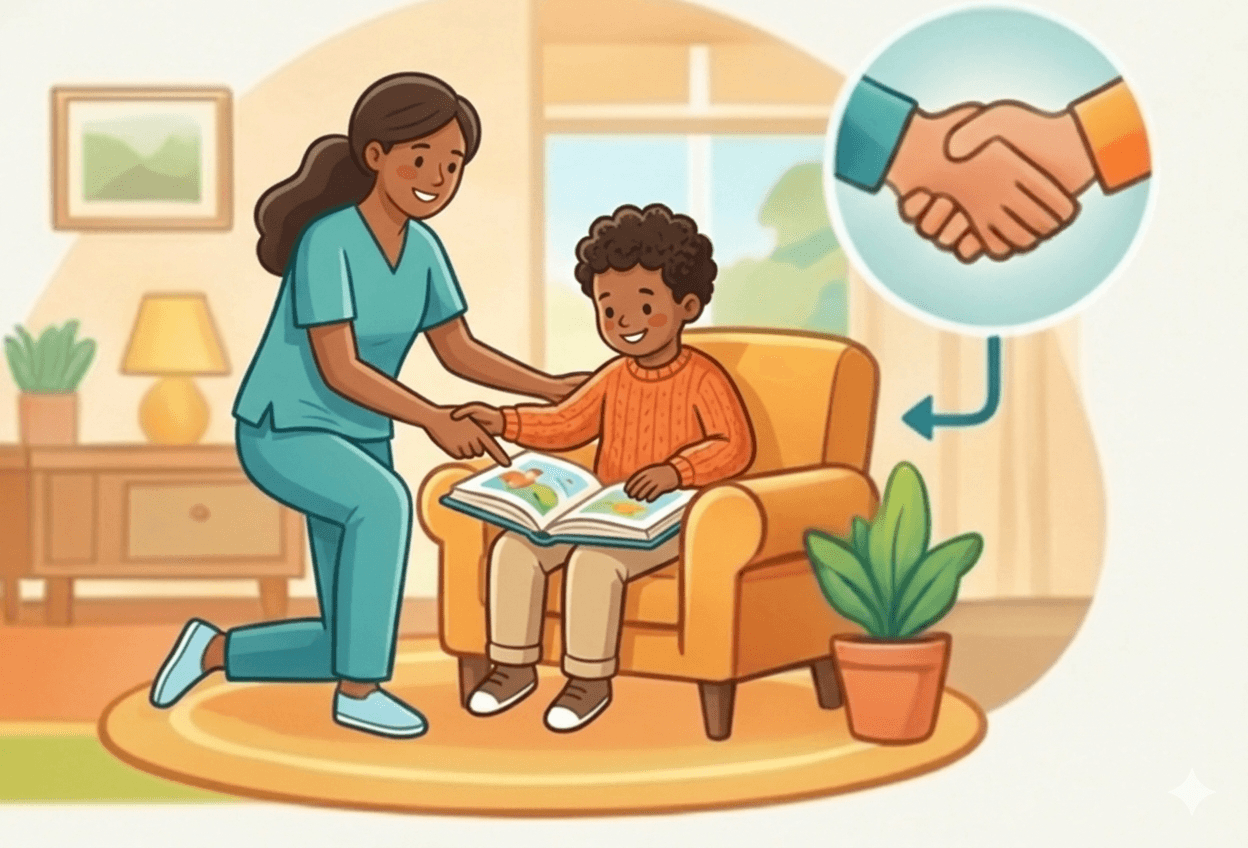
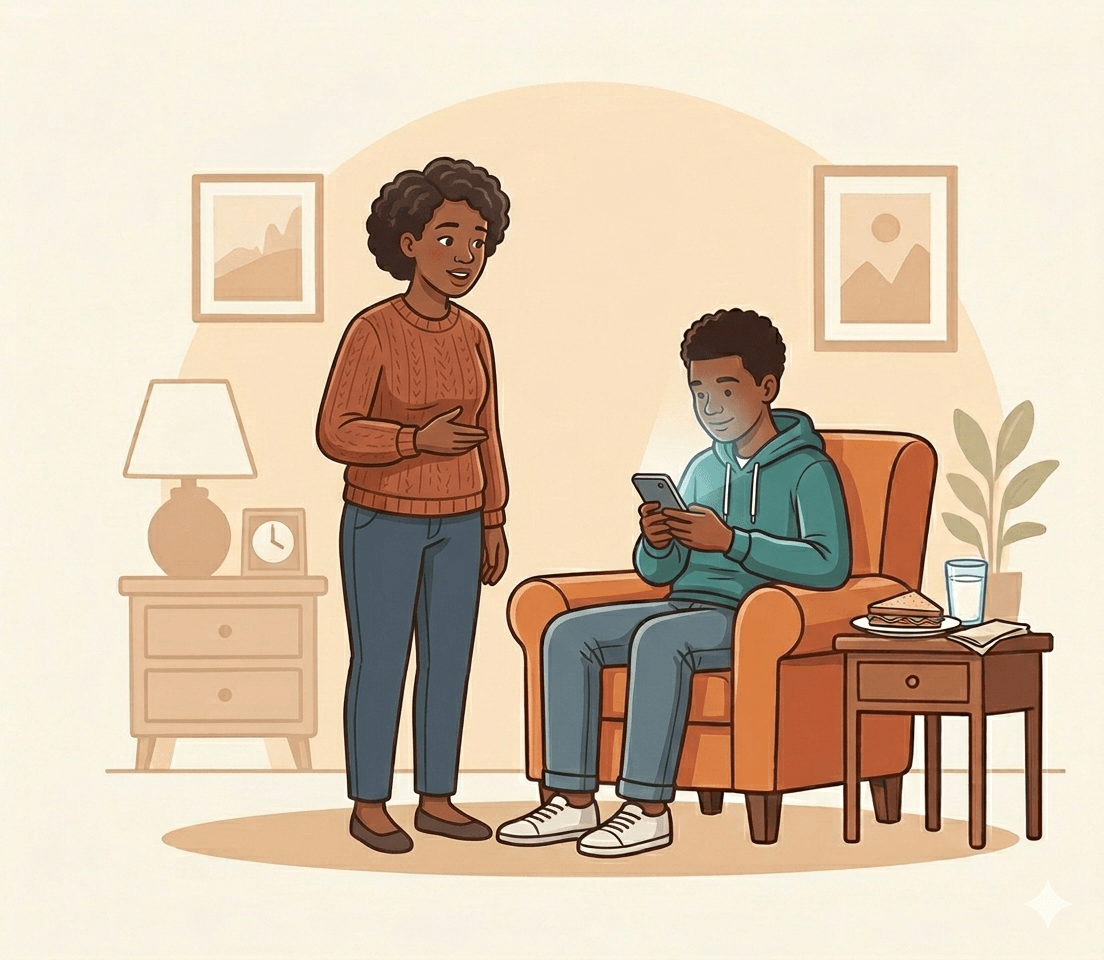
For many children and adolescents with developmental or intellectual disabilities, living in a stable, family-based home setting is essential to their safety, well-being, and healthy development. A sponsored residential setting offers the structure, consistency, and nurturing environment needed to support growth, learning, and independence.
Carrington Developmental Support Services (CDSS) provides Sponsored Residential Services for children and adolescents in accordance with Virginia Department of Behavioral Health and Developmental Services (DBHDS) requirements. Our program carefully matches individuals receiving services with qualified Sponsored Residential Care Providers who offer individualized, person-centered supports within their own homes. In certain situations, a parent or legally responsible family member may serve as the Sponsored Residential Provider when permitted under applicable regulations.
The Role of a Sponsored Residential Care Provider
Sponsored Residential Care Providers support children and adolescents by:
Providing a safe, stable, and supportive home environment
Assisting with activities of daily living (ADLs) as appropriate
Supporting skill development, emotional regulation, and social growth
Promoting community integration and participation
Implementing individualized service plans and behavior supports, as applicable
Care is delivered in a manner that respects the dignity, rights, and individuality of each person receiving services and aligns with person-centered planning principles.
Training, Oversight & Ongoing Support
Carrington recruits individuals and families who are committed to providing high-quality care in compliance with DBHDS and DMAS regulations.
Sponsored Residential Care Providers receive:
Required pre-service and ongoing training
Regular monitoring and supervision by a designated residential coordinator
Case management and coordination of services
Assistance with documentation, compliance, and regulatory requirements
Ongoing guidance to support provider success and individual outcomes
Carrington maintains responsibility for program oversight, quality assurance, and ensuring services meet all applicable state standards.
Who May Become a Sponsored Residential Care Provider?
Sponsored Residential Care Providers may include individuals, couples, or families who:
Meet DBHDS qualification and approval requirements
Have a safe, stable, and appropriate home environment
Are willing to complete background checks, training, and home approval
Demonstrate the ability to meet the needs of children and adolescents
Are committed to collaboration, documentation, and regulatory compliance
Professional experience is not required; however, providers must demonstrate the capacity to deliver consistent, nurturing care in alignment with service plans and regulatory expectations.
Becoming a Sponsored Residential Care Provider
Carrington follows a structured, DBHDS-compliant approval process. There are several steps to becoming a Sponsored Residential Care Provider, beginning with an initial inquiry and continuing through training, home approval, and placement.
👉6-Step Snapshot: How to Get Started
1. Attend Orientation
Learn about Carrington’s program and DBHDS requirements.
2. Submit an Application
Complete an application with references and household information.
3. Complete Background Checks
All household members age 16+ complete required screenings.
4. Home Review & Inspection
Carrington and DBHDS ensure the home meets safety and licensing standards.
5. Complete Required Training
Finish DBHDS-mandated training, including CPR/First Aid and medication management.
6. Approval & Placement
Receive approval and work with Carrington on an appropriate placement.
Learn More...
Becoming a Sponsored Residential Care Provider allows you to play a critical role in supporting the safety, development, and long-term success of children and adolescents receiving developmental services in Virginia.
If you are interested in learning more about becoming a Sponsored Residential Care Provider with Carrington Developmental Support Services, we invite you to contact us to begin the process.
Providing care. Supporting growth. Building futures.
Want to go one step further?
_____________________________________________________________
Compensation
You will receive a "living wage" (compensation based on evaluated supports needed) which means you will be able to support yourself and take care of the child/adolescent with compensation paid monthly. These fund are tax free if you fall under this guideline. According to the United States Internal Revenue Code.
Difficulty of Care Exemption (IRS Notice 2014-7) refers to a federal tax rule under which certain caregiver payments can be excluded from the caregiver’s gross taxable income — meaning they are not considered taxable income for federal income tax purposes — when specific conditions are met. (Internal Revenue Service)
📌 What does this mean?
IRS Notice 2014-7, issued January 3, 2014, clarifies that certain Medicaid waiver payments made to an individual who provides care to an eligible person living in the same household can be treated as “difficulty of care payments” and excluded from gross income under Internal Revenue Code § 131. (Internal Revenue Service)
Under internal tax law, difficulty of care payments were originally defined for foster care providers who receive extra compensation for caring for individuals requiring additional attention due to physical, mental, or emotional handicaps. Notice 2014-7 extends that same treatment to Medicaid Home and Community-Based Services (HCBS) waiver payments made to individual caregivers living with the care recipient. (Internal Revenue Service)
CARRINGTON DEVELOPMENTAL SUPPORT SERVICES | TERMS OF USE